
Skip to content
LASTRAJA.RO
Book

Vâlcan Mountains, Jiu Valley

The Straja story

A watch-post ridge, a plateau open to the sun and a settlement of cabins that learned, over a few decades, to live off snow and hiking trails.

Live experienceAlpine Motion · LASTRAJA.ROScroll ↓
Forested ridges above Lupeni, the mining town at the foot of the Vâlcan range

Lupeni, the mining town at the foot of the mountain.Loraine · CC BY 4.0

Origins

A mining town under the mountain

Sec. XIX

Lupeni has been documented for more than three centuries, back when local life revolved around herding and hunting. Once coal was found here, in the 19th century, the Jiu Valley filled up quickly and became one of Romania's major mining centres.

Straja mountain stayed for a long time a reserve of pasture and quiet for the people in the valley: a place you climbed in summer with the animals, and in winter only with a serious reason.
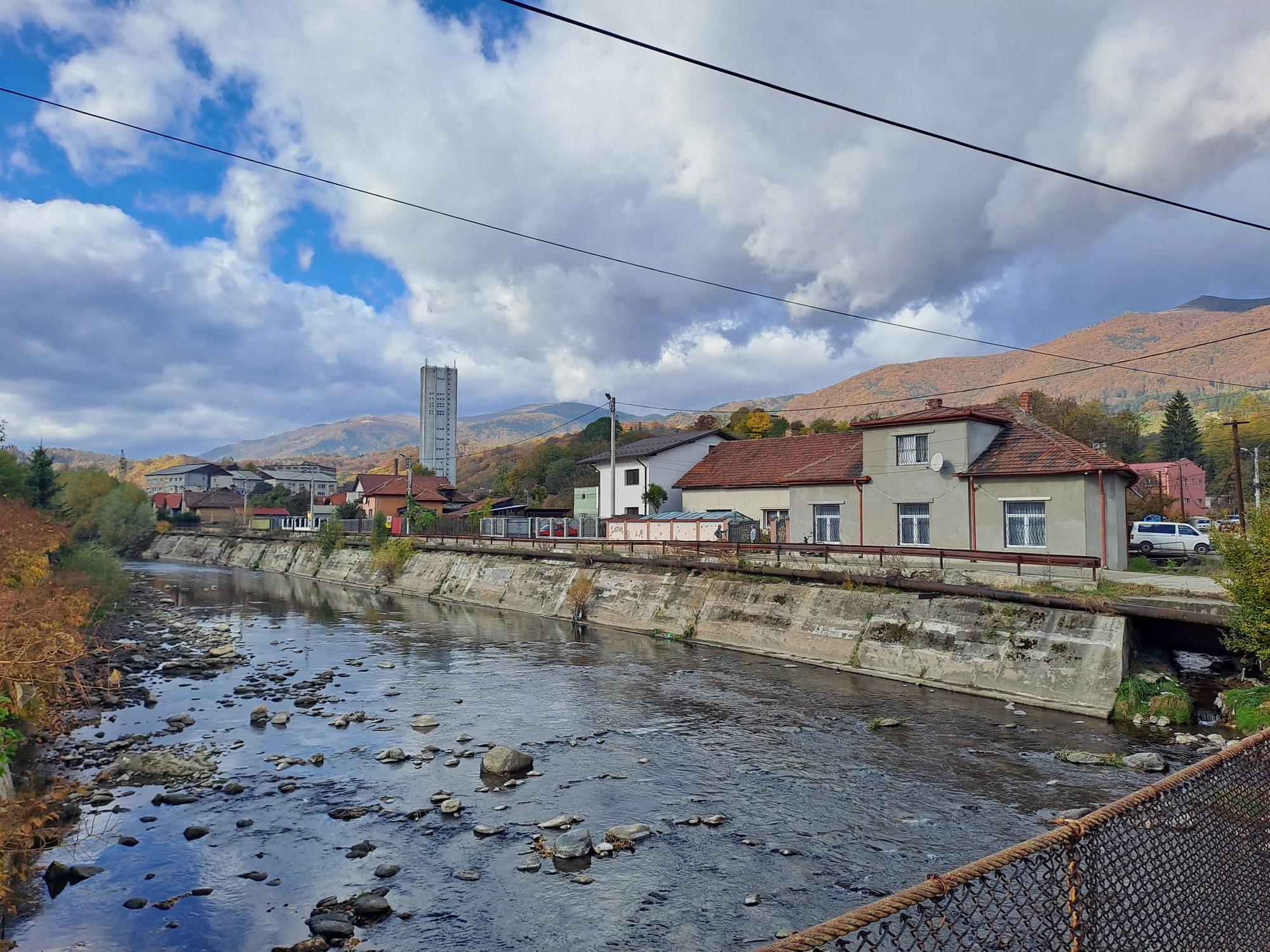
Forested ridges above Lupeni, the mining town at the foot of the Vâlcan range
Loraine · CC BY 4.0

The mountain and the plateau

Below Straja Peak, on the northern slope

1.445 m

The resort sits at roughly 1,445 metres, on the northern slope of the Vâlcan Mountains, about eight kilometres from Lupeni. Above it, Straja Peak rises to 1,868 metres, flanked by ridges such as Mutu and Coarnele.

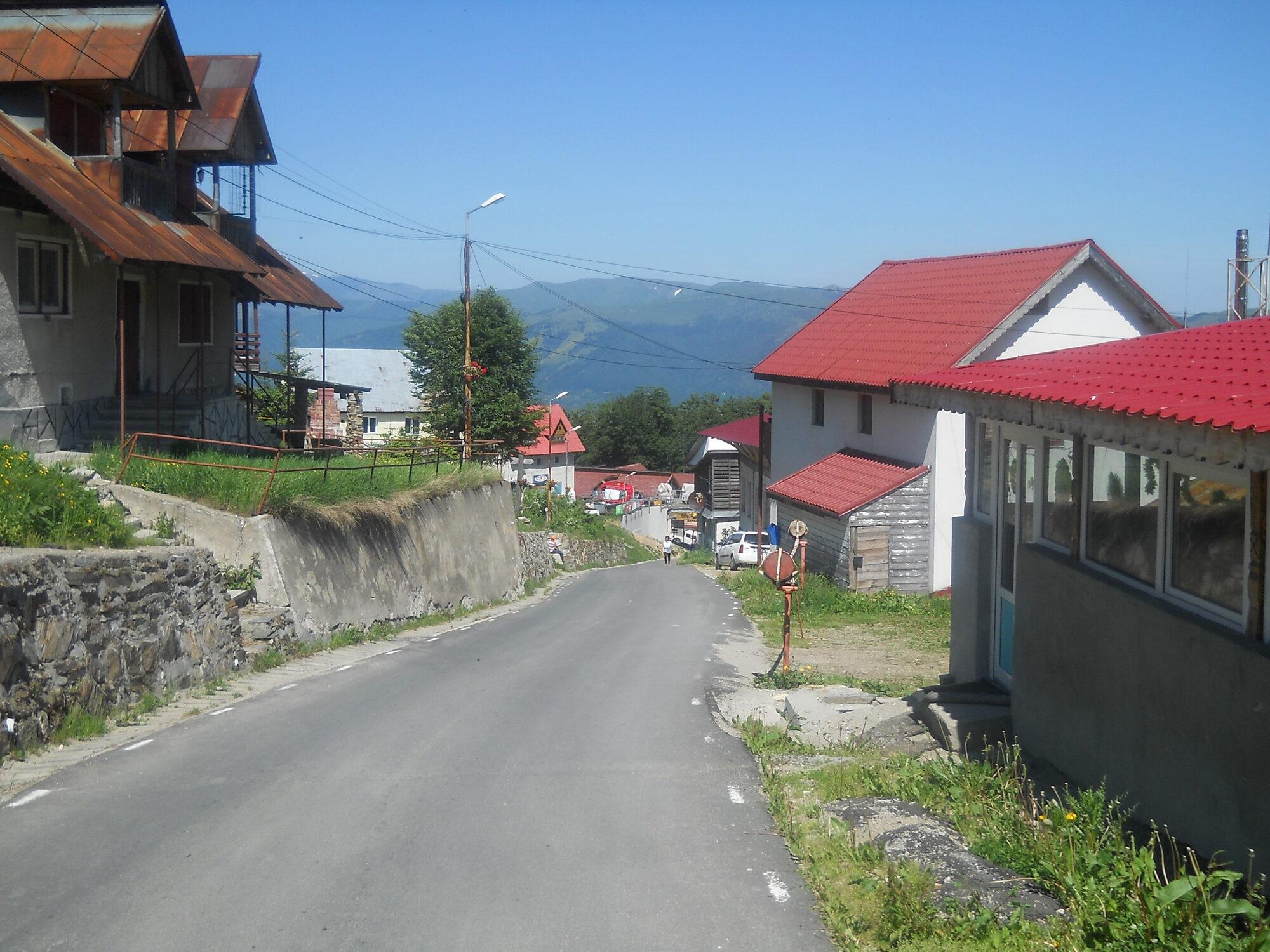
The Straja plateau, wide and sun-exposed, is the key to the whole place: the upper runs open onto it, people gather on it at midday, and from its edge, in clear weather, you can see the towns of the western Jiu Valley and the crests of the Retezat.

Wide open view from the Straja plateau
Bogdan Muraru · CC BY-SA 4.0

The mark on the ridge

The Heroes' Cross and the wooden skete

1996 · 1999

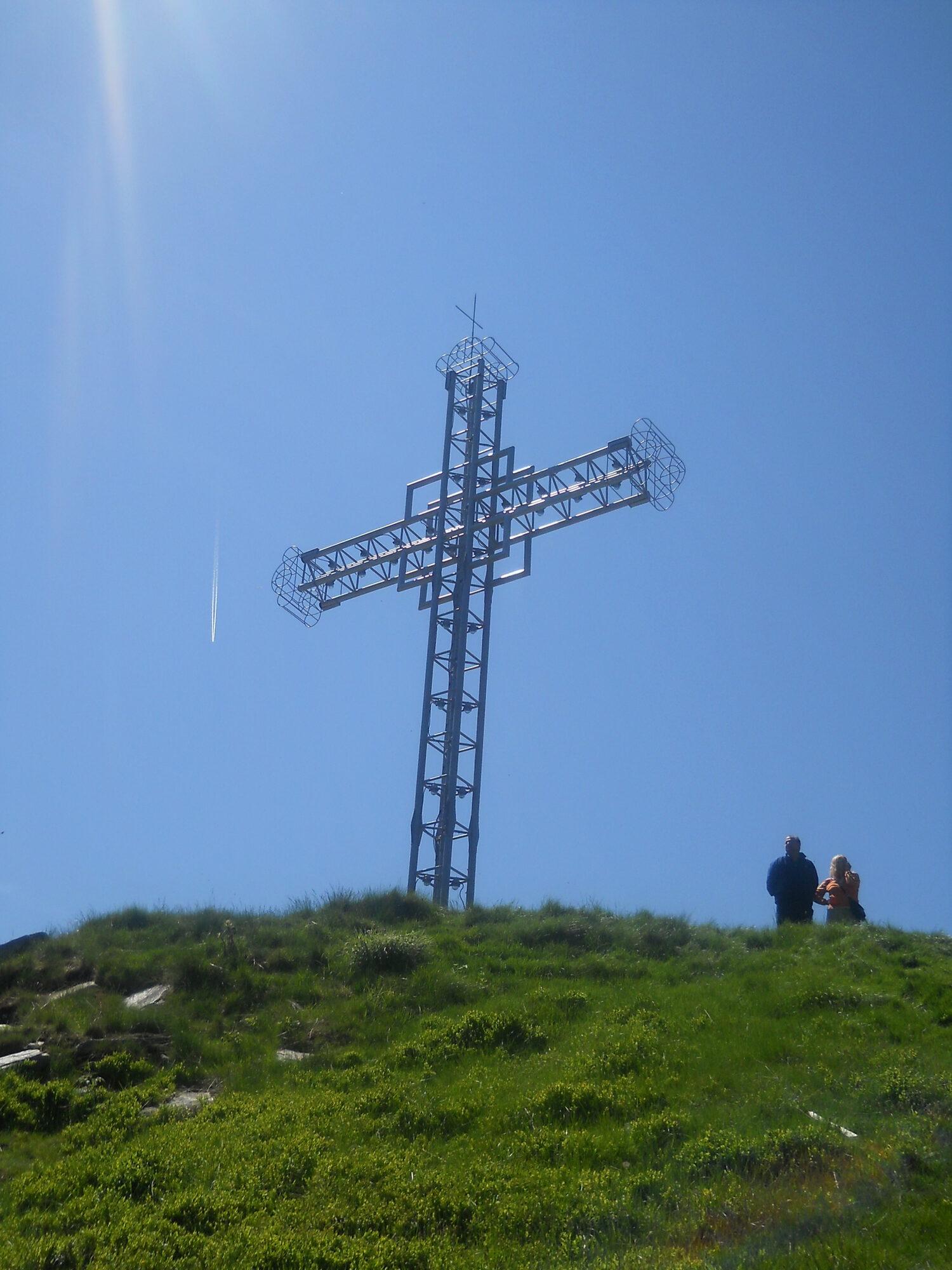
In 1996, on a ridge close to 1,480 metres, the Heroes' Cross was raised, about 19 metres tall, in memory of the soldiers who fell in the First World War. It is visible from far away and has become the landmark by which you recognise Straja from the valley below.

A few years later, in 1999, work began on the wooden skete beneath the cross, with monastic cells and a 57-metre access tunnel whose walls carry icons arranged by the Orthodox calendar. The Way of the Cross also starts here, the Good Friday pilgrimage with fourteen stops marked by stone crosses.

The Heroes' Cross at Straja, raised in 1996
Bogdan Muraru · CC BY-SA 4.0

How the ski area grew

From a single lift to a full domain

26 km

The Jiu Valley's shift from mining toward tourism gave Straja the push it needed. The cabin settlement expanded year by year, and the cable installations multiplied through investment that was mostly private.

Today the area counts around 12 runs and roughly 26 kilometres of descent, with cable installations that include a gondola from the Brăița area, several chairlifts and tow lifts, plus snow guns along much of the route. A few runs are lit for night skiing.

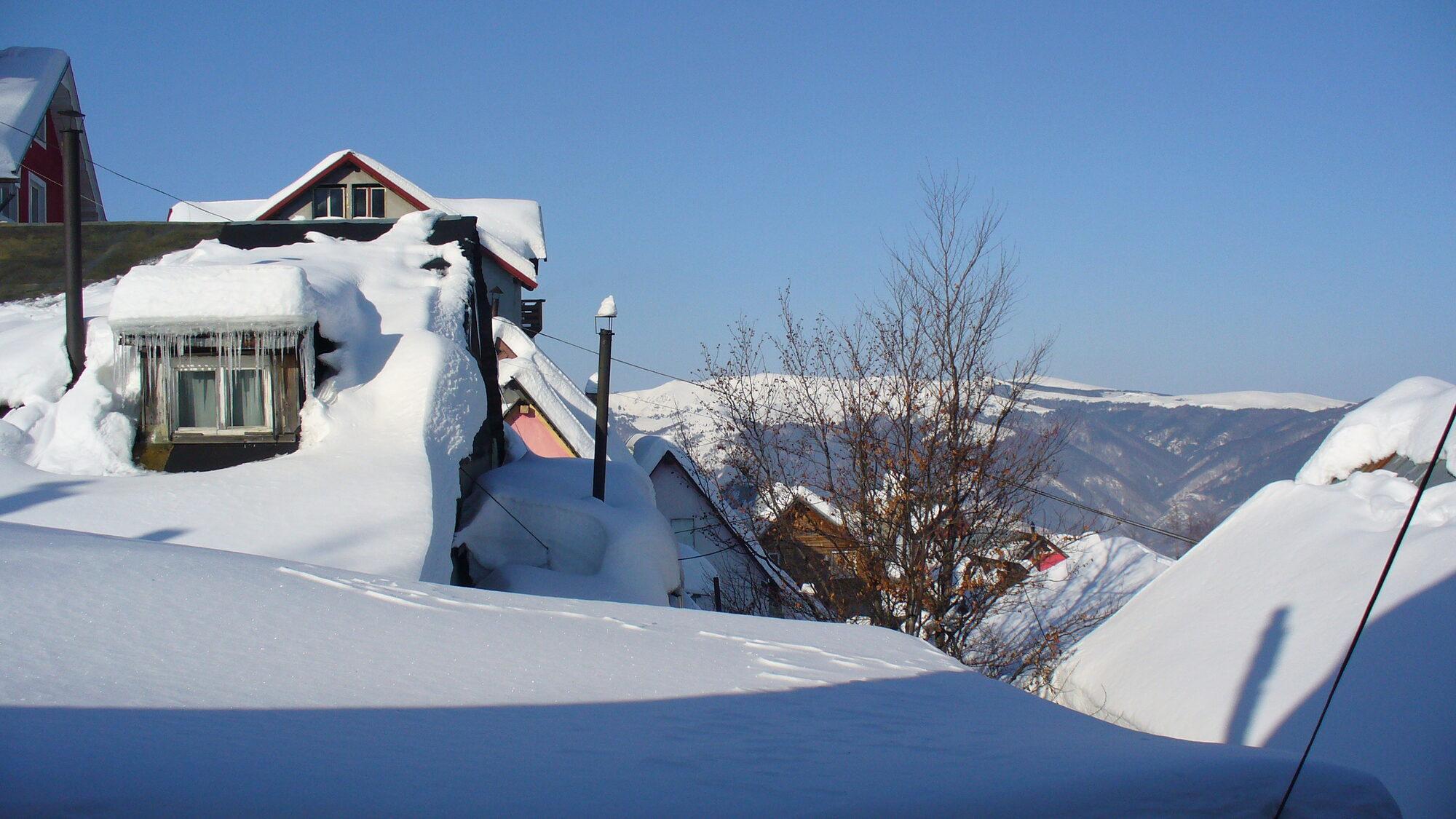
Slopes and cabins on the Straja plateau in winter
Albundy64 · CC BY-SA 4.0

Straja today

A resort that lives all year

2002 →

Straja was officially declared a tourist resort in 2002. Around the plateau, roughly two hundred cabins, guesthouses and holiday homes have gathered over time, and the gondola from Lupeni carries visitors up in about a quarter of an hour.

Winter brings ski races and snow festivals; in summer, Straja becomes a starting point for hikes toward Straja Peak, toward the Vâlcan Pass and, further on, toward the Retezat. It is a story still being written, and this platform will fill it in as the resort team adds verified detail.

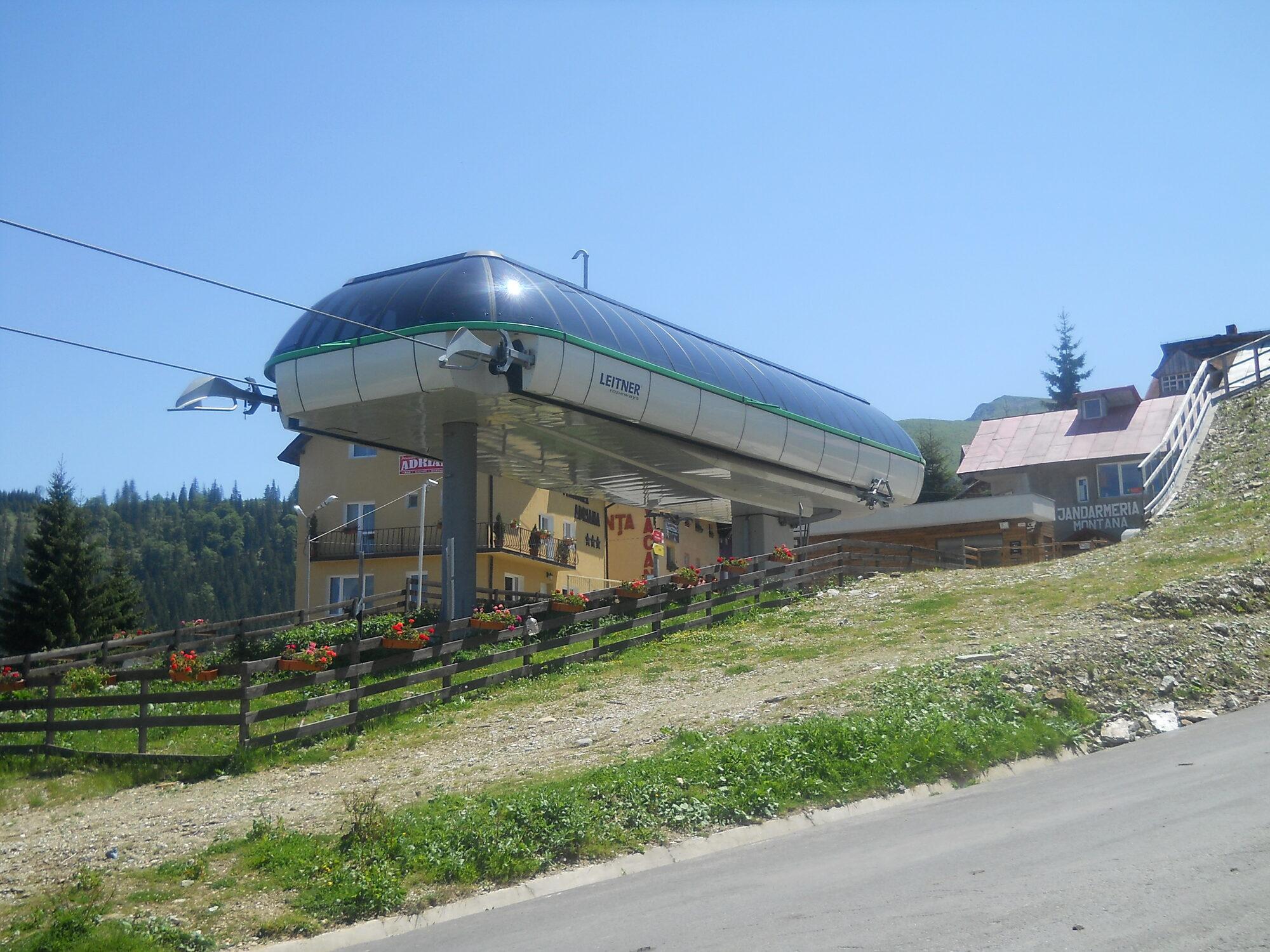
The Straja gondola climbing from Lupeni
Bogdan Muraru · CC BY-SA 4.0

Straja in figures

Indicative figures gathered from public sources about the resort; the Straja team can correct them at any time.

Straja Peak
0 mThe highest point above the resort
Resort altitude
0 mOn the northern slope of the Vâlcan Mountains
Slopes
0Snow cannons cover a good part of the network
Of descent
0 kmA few runs are lit for night skiing

Photographs from free sources (Wikimedia Commons); author and licence are noted under each image.